AI-powered digital marketing trends in 2026 are reshaping the entire online landscape, evolving faster in the last three years than in the previous decade. With the rapid rise of advanced artificial intelligence, businesses are now transforming how they attract customers, run campaigns, optimize content, and scale their overall digital growth. AI has become the backbone of modern marketing strategies, making processes smarter, faster, and more data-driven than ever before.
Today, AI is no longer just an advanced feature—it is the engine behind intelligent marketing strategies, superior customer experiences, and stronger ROI.
Small businesses, agencies, e-commerce brands, and enterprises are all leveraging AI to understand audiences better, automate repetitive tasks, personalize at scale, and make powerful data-driven decisions.
This blog dives deep into the latest innovations and how businesses can apply them to achieve faster, smarter, and more organic growth.
1. The Rise of Predictive AI in Marketing in digital marketing trends in 2026
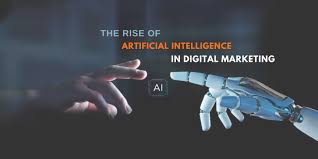
Predictive AI is one of the biggest AI-powered digital marketing trends in 2026. Instead of analyzing what already happened, predictive systems forecast what will happen next.
How predictive AI is used in 2026: Digital Marketing Trends
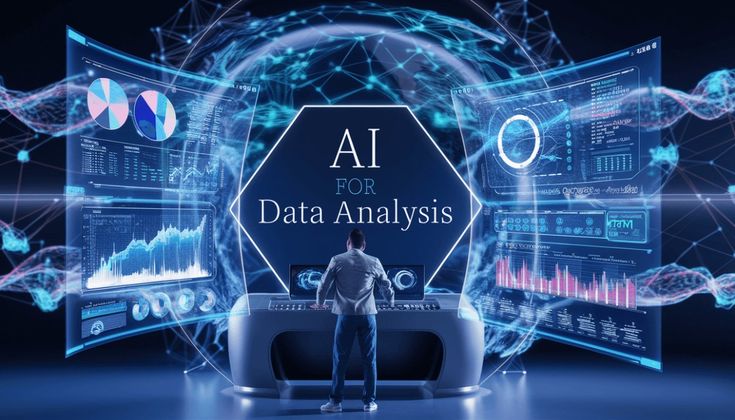
- Predicts customer purchase behavior
- Identifies high-value leads
- Optimizes ad delivery based on predicted engagement
- Suggests the best time to post content
- Forecasts future sales and product demand
Platforms like Google Ads, Meta Ads, and YouTube use predictive models to automatically optimize campaigns, leading to lower costs and better conversions.
2. Hyper-Personalization at Scale
Today’s customers no longer respond to generic messaging. They expect content that feels personal, relevant, and timely. In 2026, AI has elevated personalization to an entirely new level—making it smarter, faster, and far more precise than traditional methods.
AI-driven hyper-personalization uses real-time data and machine learning to adapt content instantly based on individual user behavior. Instead of grouping users into broad segments, AI treats each visitor as a unique audience of one.
Examples of hyper-personalization in digital marketing trends in 2026 include:
- Personalized website experiences where content, banners, and offers change dynamically for each visitor
- Dynamic landing pages that adjust messaging, visuals, and CTAs based on traffic source and user intent
- AI-generated product recommendations tailored to browsing history, preferences, and purchase behavior
- Customized email flows that evolve automatically based on opens, clicks, and actions
- Personalized retargeting ads that reflect exactly where a user dropped off in the funnel
AI analyzes millions of data points—interests, behaviors, search patterns, device usage, and timing signals—to deliver exactly what each user is most likely to engage with.
The impact is measurable and powerful:
✔ Higher engagement rates
✔ Longer session duration
✔ Lower bounce rates
✔ Stronger sales conversions
In 2026, hyper-personalization is no longer a luxury—it is a competitive necessity for brands that want meaningful engagement and sustainable growth.
3. AI-Generated Content for SEO Dominance
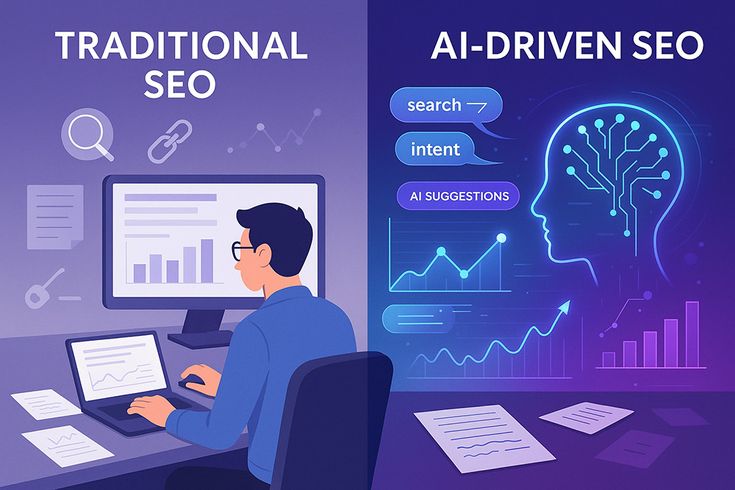
One of the strongest AI-powered digital marketer One of the most impactful digital marketing trends in 2026 is AI-assisted content creation. Content production is no longer slow or limited by resources. With AI support, marketers can create high-quality content faster while maintaining consistency across multiple channels.
Today, marketers use AI to generate:
- Blogs optimized for search intent and readability
- Social media posts tailored to platform-specific audiences
- Ad copies designed to maximize clicks and conversions
- Product descriptions that highlight benefits and user intent
- Video scripts for short-form and long-form content
- Email campaigns personalized for different customer journeys
AI content tools actively support digital marketing strategies in 2026 by:
- Suggesting trending topics based on real-time search and engagement data
- Providing optimized content outlines aligned with SEO best practices
- Creating keyword-focused content that improves organic visibility
- Enhancing content readability through structure and tone refinement
- Speeding up editing and proofreading, reducing production time
Despite these advancements, human marketers remain essential. Strategy, brand voice, emotional storytelling, and creative direction are areas where human insight leads the process. AI enhances efficiency, but authentic storytelling and strategic thinking ensure content connects with real audiences and drives meaningful results.
4. AI Video Creation and Editing in Digital Marketing Trends in 2026
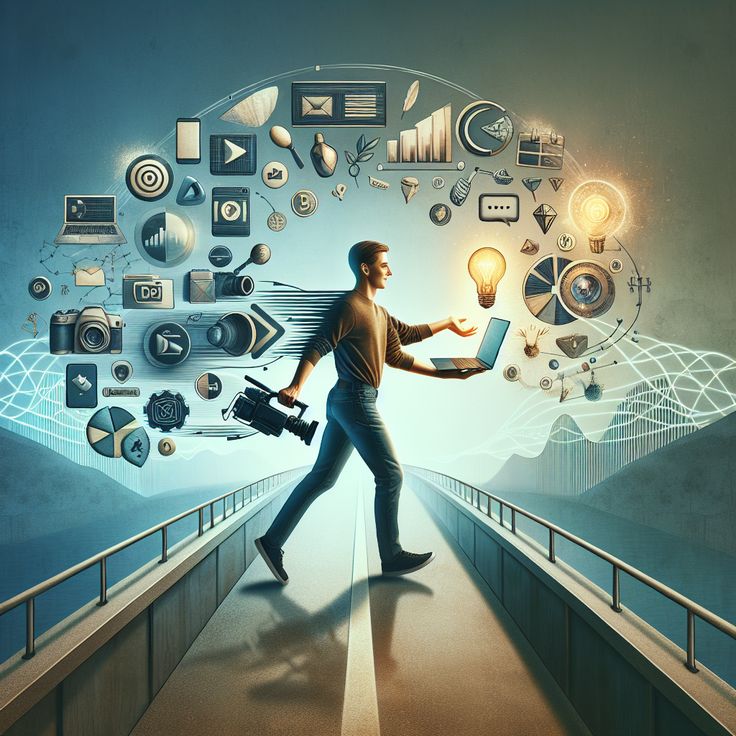
Video marketing continues to dominate digital platforms, but in 2026, artificial intelligence has taken it to an entirely new level. What once required large teams, long production cycles, and high budgets can now be achieved faster, smarter, and at scale with AI-driven tools.
Modern AI video tools are capable of:
- Scripting, editing, and producing videos in minutes, significantly reducing production time
- Auto-generating product demo videos based on features, use cases, and customer intent
- Instantly translating videos into multiple languages, expanding global reach
- Auto-captioning and enhancing clarity, improving accessibility and engagement
- Creating AI avatars for brand communication, enabling consistent on-screen presence without live shoots
Short-form video content for Instagram Reels, TikTok, and YouTube Shorts is now heavily AI-powered. These tools help brands maintain posting consistency, test multiple formats quickly, and respond faster to trends—without compromising quality.
As attention spans continue to shrink, AI-powered video marketing allows businesses to deliver compelling visual stories that capture interest instantly, increase watch time, and drive stronger conversions across social and search platforms.
5. AI-Powered SEO Tools for Organic Growth in Digital Marketing Trends
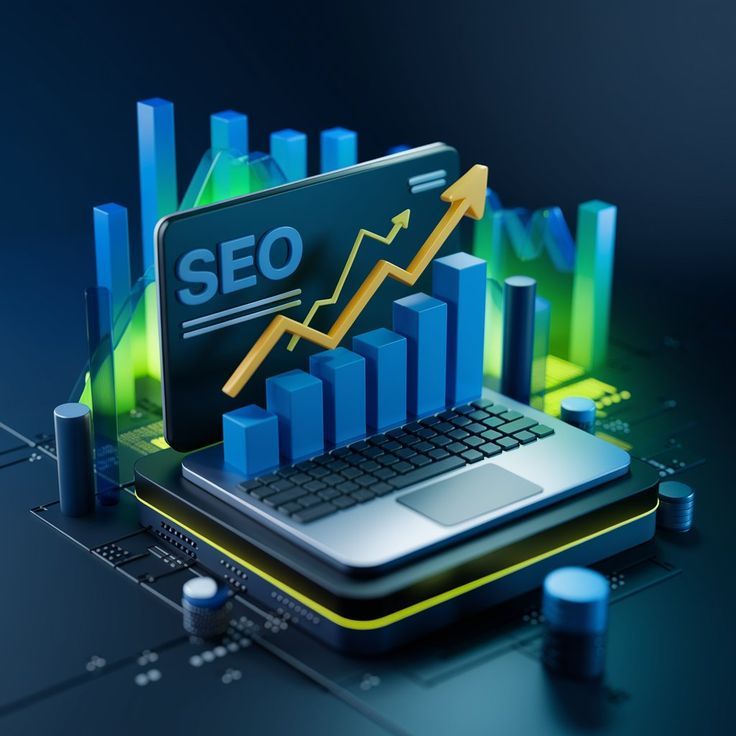
SEO has evolved significantly, and AI is now essential for ranking high in 2026.
SEO has evolved significantly, and in 2026, artificial intelligence is no longer optional—it is essential for achieving and maintaining high search rankings. Traditional manual SEO methods can’t keep up with algorithm changes, search intent shifts, and competitive pressure. AI fills this gap with speed, accuracy, and strategic insight.
Modern AI SEO tools support marketers by enabling:
- Advanced keyword research that uncovers high-intent, low-competition opportunities based on real user behavior
- Competitor analysis to identify what top-ranking pages are doing right and where gaps exist
- Content scoring that evaluates relevance, depth, and optimization before publishing
- On-page optimization suggestions for headings, metadata, internal structure, and readability
- Automatic internal linking to strengthen topical authority and improve crawlability
- Rank tracking and alerts that monitor performance changes in real time
- Identifying keyword gaps to expand content coverage and capture untapped search demand
AI doesn’t just show data—it explains why a page is or isn’t ranking and delivers clear, actionable recommendations to fix issues quickly. This intelligence allows businesses to scale organic growth efficiently, adapt faster to search engine updates, and stay consistently ahead of competitors in an increasingly AI-driven SEO landscape.
6. Smart Audience Targeting in Google & Meta Ads: Digital Marketing Trends

Manual audience targeting has become largely obsolete. In 2026, leading advertising platforms like Google and Meta rely heavily on AI-powered targeting systems to identify, reach, and convert the most relevant users automatically.
AI in advertising enables marketers to:
- Predict buyer intent by analyzing search behavior, browsing patterns, and real-time engagement signals
- Improve click-through rates by showing ads to users most likely to interact
- Test creatives automatically, allowing the system to identify high-performing visuals and copy faster
- Optimize bidding in real time based on competition, intent strength, and conversion probability
- Identify and exclude negative audiences, reducing wasted ad spend and improving efficiency
- Spend less while generating more leads through continuous machine learning optimization
Campaign formats such as Performance Max (Google) and Advantage+ (Meta) are now almost entirely AI-driven. These systems handle targeting, placements, bidding, and creative rotation with minimal manual input, allowing businesses to scale campaigns faster, achieve higher ROI, and stay competitive in an increasingly automated advertising ecosystem.
7. AI Chatbots and Smart Virtual Assistants: AI-powered digital marketing trends in 2026
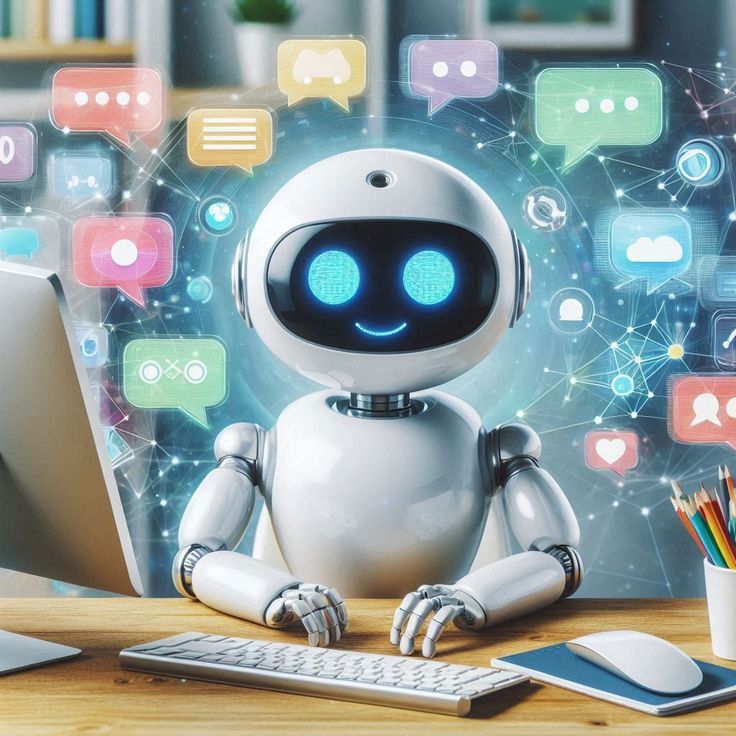
AI chatbots are among the most impactful AI-powered digital marketing trends in 2026. They have transformed customer service and lead generation.
Modern AI chatbots:
- Understand natural conversations
- Provide personalized product recommendations
- Schedule appointments
- Answer FAQs instantly
- Convert website visitors into leads
They reduce support workload and increase lead conversion by 30–65%.
8. Voice Search & Conversational AI Optimization
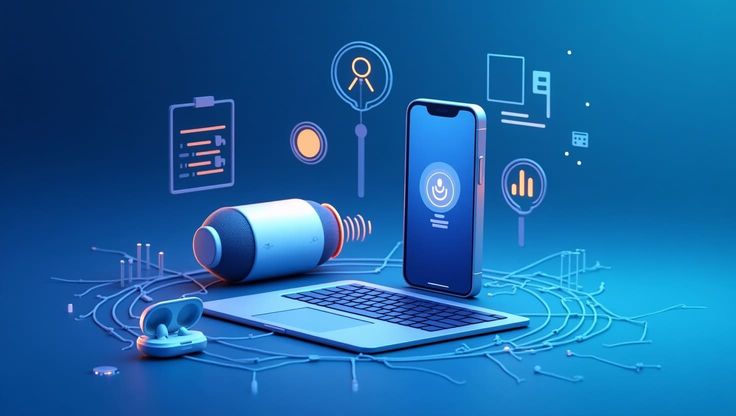
Voice search continues to grow rapidly as users rely more on smartphones, smart speakers, and AI assistants for everyday queries. In 2026, AI models understand conversational language, intent, and context better than ever, changing how content is discovered and ranked.
To stay competitive, businesses are optimizing their content for:
- Long-tail conversational keywords that mirror how people naturally speak rather than type
- Question-based search queries such as “how,” “what,” and “best way to,” which dominate voice searches
- Voice-friendly blog structures with clear headings, concise answers, and well-organized sections that AI assistants can easily extract
As search behavior becomes more conversational, SEO is shifting toward natural language patterns. Brands that adapt their content to sound human, helpful, and context-aware gain higher visibility in voice search results, featured snippets, and zero-click searches—making conversational SEO a powerful growth driver in 2026.
9. AI Neuromarketing for Better Creative Decisions: AI-Powered Digital Marketing Trends in 2026
AI Neuromarketing for Better Creative Decisions
AI-powered neuromarketing is redefining how brands design and evaluate creative assets. Instead of relying on assumptions or post-campaign results, marketers in 2026 use AI to understand how audiences emotionally respond to content before it goes live.
Advanced AI neuromarketing tools analyze:
- Eye movement to identify which elements attract attention first and which are ignored
- Emotional reactions such as interest, excitement, confusion, or hesitation
- Attention patterns to measure how long users stay focused on specific visuals or messages
- Creative effectiveness by predicting which designs are most likely to drive engagement and conversions
By combining behavioral science with artificial intelligence, brands can design ads that connect on a deeper psychological level. This results in more compelling thumbnails, higher-performing landing pages, stronger product designs, and ads that capture attention within seconds.
In an increasingly competitive digital space, AI-driven neuromarketing gives businesses a clear advantage—helping them make smarter creative decisions, reduce wasted ad spend, and consistently produce content that resonates with real human emotions.
10. AI-Driven Customer Journey Automation: Digital Marketing Trends
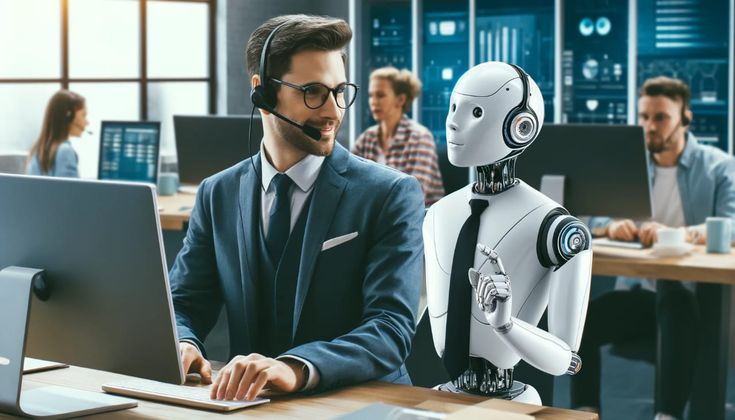
AI now automates entire customer journeys from awJourney Automation: How AI Is Transforming the Customer Experience
AI now automates entire customer journeys, guiding users smoothly from first interaction to final conversion without manual intervention. In 2026, journey automation has become smarter, more responsive, and deeply personalized, allowing brands to engage prospects at every stage with precision.
AI continuously tracks user behavior, intent signals, and engagement patterns to deliver context-aware interactions across multiple touchpoints. This creates a seamless experience that feels natural rather than automated.
Examples of AI-powered journey automation include:
- Automated email sequences that adapt in real time based on opens, clicks, and user actions, ensuring messages remain relevant and timely.
- Personalized product funnels that adjust offers, pricing, and recommendations according to individual preferences and buying behavior.
- Dynamic remarketing paths that show tailored ads based on where users drop off in the funnel, increasing re-engagement and conversions.
- AI-based lead scoring that prioritizes high-intent prospects, helping sales and marketing teams focus on leads most likely to convert.
- Real-time customer segmentation that updates instantly as user behavior changes, keeping campaigns accurate and performance-driven.
By automating the entire journey, AI ensures no lead is overlooked, and every user receives the right content, on the right channel, at the right moment—resulting in higher engagement, faster conversions, and stronger long-term customer relationships.
11. Ethical AI and Data Privacy Trends
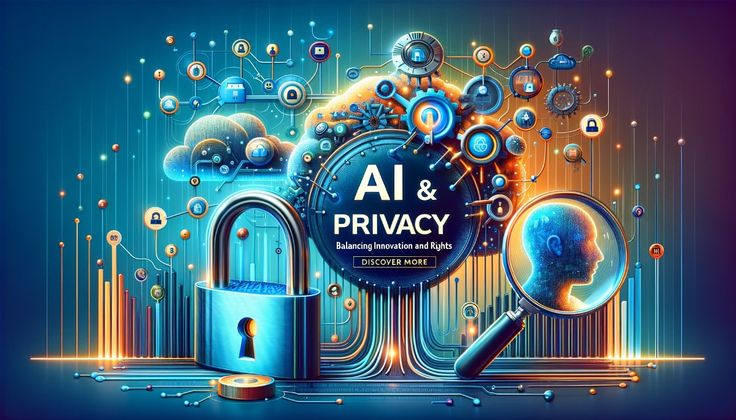
Ethical AI and Data Privacy Trends in 2026
In 2026, digital consumers are no longer passive about how their data is collected, stored, and used. Privacy awareness has reached an all-time high, and brands that fail to respect user data risk losing credibility, customers, and search visibility. Ethical AI is no longer a compliance checkbox—it has become a core digital marketing differentiator.
Search engines, regulators, and users now favor businesses that practice responsible AI-driven marketing, making ethical data handling an essential SEO and brand-trust factor.
Key Ethical AI and Data Privacy Trends in 2026 : Digital Marketing Trends
Transparent Data Usage Policies
Brands are moving away from complex legal jargon and adopting clear, user-friendly privacy disclosures. Consumers want to know exactly what data is collected, why it is collected, and how it benefits them. Transparency improves trust, reduces bounce rates, and supports long-term customer relationships.
AI Systems with Opt-In Personalization
Instead of forced tracking, businesses are shifting to permission-based personalization. Users can now choose how their data is used, leading to higher-quality engagement. Opt-in AI personalization results in better conversion rates because users actively agree to tailored experiences.
Stronger Security for User Data
Advanced encryption, AI-powered threat detection, and zero-trust security models are becoming standard. Brands investing in secure data infrastructure protect customer information while also complying with evolving global privacy regulations, which positively impacts brand authority and SEO trust signals.
Ethical Guardrails on Predictive Models
AI systems in 2026 are built with safeguards to prevent bias, manipulation, and misuse. Ethical guardrails ensure predictive models do not unfairly target, exclude, or exploit users. This responsible approach strengthens brand reputation and aligns with ethical marketing standards.
First-Party Data as the New Gold Standard
As third-party cookies fade, brands are prioritizing first-party data strategies. Ethical AI relies on data that users willingly provide through interactions, subscriptions, and engagement, resulting in more accurate insights and privacy-safe personalization.
Compliance-Driven AI Marketing
AI tools now include built-in compliance features for GDPR, CCPA, and future privacy laws. This ensures marketing automation remains both effective and legally sound, reducing risk while improving operational efficiency.
Why Ethical AI Builds Long-Term Growth
Trust has become a major competitive advantage in digital marketing. Brands that respect privacy, communicate transparently, and use AI responsibly enjoy higher customer loyalty, stronger engagement, and sustainable organic growth. In 2026, ethical AI is not just good practice—it is smart, future-proof marketing.
Conclusion: AI Is the Future of Digital Marketing in 2026 and Beyond
The transformation happening today proves that AI is not just a trend—it is the future of digital marketing. Businesses that adopt these AI-powered digital marketing trends in 2026 will experience:
✔ Faster business growth
✔ Smarter decision-making
✔ Lower marketing costs
✔ Higher-quality leads
✔ Stronger organic visibility
✔ Better customer experience
AI empowers businesses of all sizes—from small local stores to global brands—to compete at a higher level with less effort and more accuracy.
The marketers and businesses that embrace AI today will lead the industry tomorrow.
The ones who ignore it will fall behind.